
Custer County Probate Court Venue
Probate in Custer County is handled through the probate division of the District Court at Custer Combined Court. Colorado does not use a separate Custer County surrogate court or orphans' court. The official Judicial Branch record request form includes Probate as a case type and lists probate document categories such as Letters, Will, Trust, Application, Petition, Closing, Claims, and Date of Death.
This local routing matters because the Custer County Clerk & Recorder is a separate county office. The Clerk & Recorder may hold recorded deeds, land records, marriage records, or county administrative records connected to a family or estate, but the probate case file itself belongs with Custer Combined Court. A person who needs authority papers for a bank, title company, agency, or out-of-state court should request the court probate document and ask whether a certified or exemplified copy is required.
Custer Combined Court
205 S. 6th St.
PO Box 60
Westcliffe, CO 81252
(719) 783-2274
Fax: 719-735-1706
Email: custercountyclerk@judicial.state.co.us
Custer County Probate Terms
Probate files use terms that can be hard to read without context. These words describe roles, filings, and case types rather than separate offices. The same probate case may include an application, letters, creditor claims, and closing papers, while a guardianship or conservatorship file may involve a living protected person instead of a deceased person's estate.
- Testator
- A person who made a will.
- Executor
- A person named to carry out a will and administer the estate.
- Intestate
- Dying without a valid will, so estate handling follows state law.
- Guardianship
- A court case about personal care or decision-making for another person.
- Conservatorship
- A court case about managing another person's money or property.
- Letters
- Court-issued papers showing authority to act for an estate or protected person.
Search Custer County Probate Records
Custer County probate records can be requested through the Colorado Judicial Branch Record/Document Request Form. Select Probate as the case type, choose Custer County as the location, and provide the best identifying details available. Paid vendor searches may show register-of-actions data for public probate cases, but official documents still come from the court.
- Identify whether the need is a court probate file or a recorded land document connected to an estate.
- For a court file, gather the decedent, protected person, or party name, case number, filing year, and date of death if known.
- Use the Judicial Branch record request form or contact Custer Combined Court directly.
- Choose the probate document type, such as letters, will, trust, petition, claims, closing, or date-of-death material.
- Request certification or exemplification if the document must be used for legal proof.
The official Colorado Water Courts overview is also relevant because water-rights matters are specialized court files rather than ordinary estate records.
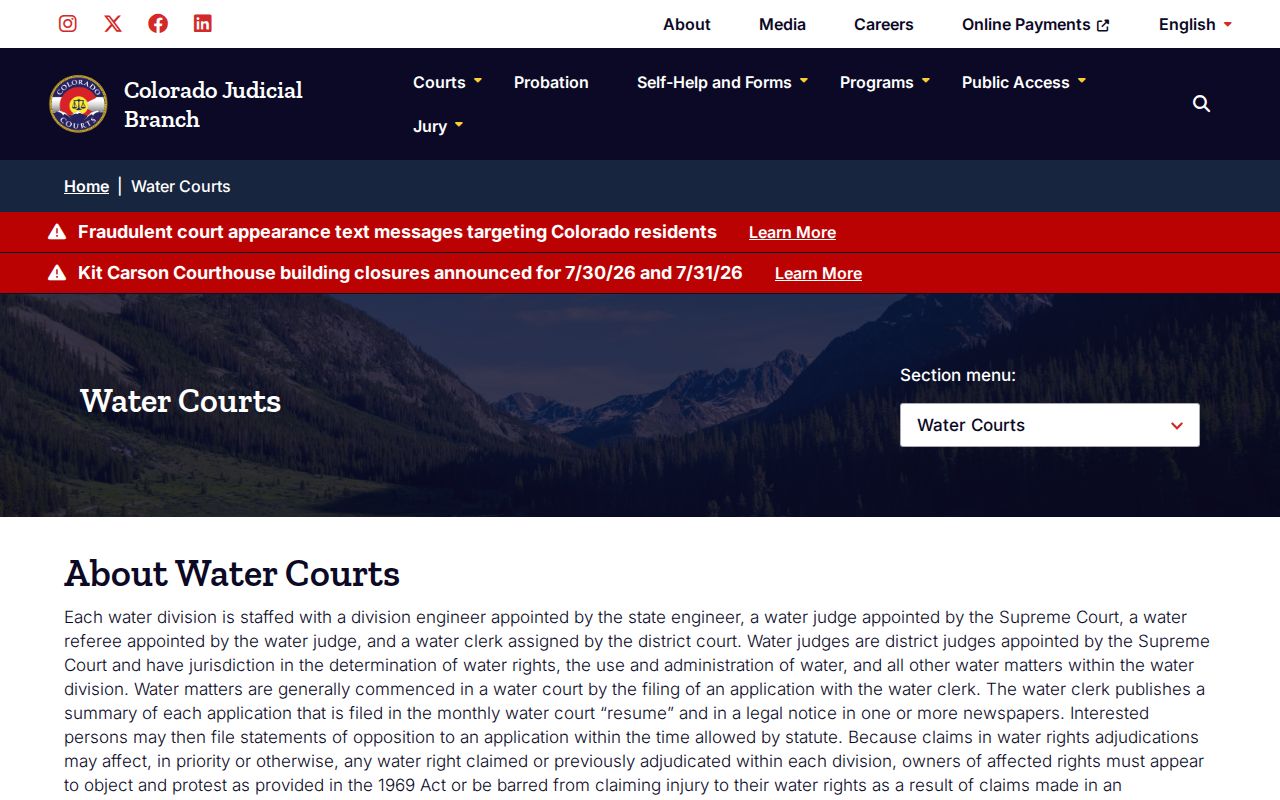
That water-court source helps prevent a common routing mistake: a water-rights decree or objection should follow the water-court path even when the issue arises during estate planning or property transfer.
Custer County Probate Request Fields
The probate request form works best when the requester supplies enough detail for court staff to locate the file without a broad name search. Older estate files may need extra identifiers. Restricted materials may require photo ID, party status, attorney status, a court order, or redaction before release.
| Field / item | Required | Notes |
|---|---|---|
| Case number | Optional but useful | Use it if known to avoid a name search. |
| Case type | Yes | Select Probate for estate, will, guardianship, conservatorship, or trust files. |
| Year case was filed | Optional | Helps locate older Custer County estate records. |
| County/location | Yes | Select Custer County. |
| Party information | Yes | Provide decedent, estate, protected person, or party names. |
| Document type | Optional | Letters, will, trust, application, petition, closing, claims, or date of death. |
| Certified or exemplified copy | Conditional | Use this when a bank, title company, or agency needs official proof. |
Custer County Probate Fees
Probate copy fees are court-record fees, not county recording fees. The statewide Judicial Branch fee schedule lists copy, certification, name search, retrieval, and research/redaction charges. Some probate filing fees vary by case type, so a person opening a new probate matter should check the current Judicial Branch fee list before filing.
| Probate record item | Amount |
|---|---|
| Copies | $0.25 per page. |
| Certified or exemplified copy | $20 per document. |
| Name search | $5. |
| Off-site retrieval | Actual cost of retrieval. |
| Research or redaction | $30 per hour after the first hour. |
Federal bankruptcy is a separate record system. The U.S. Bankruptcy Court for the District of Colorado handles bankruptcy matters, not Custer Combined Court probate files.
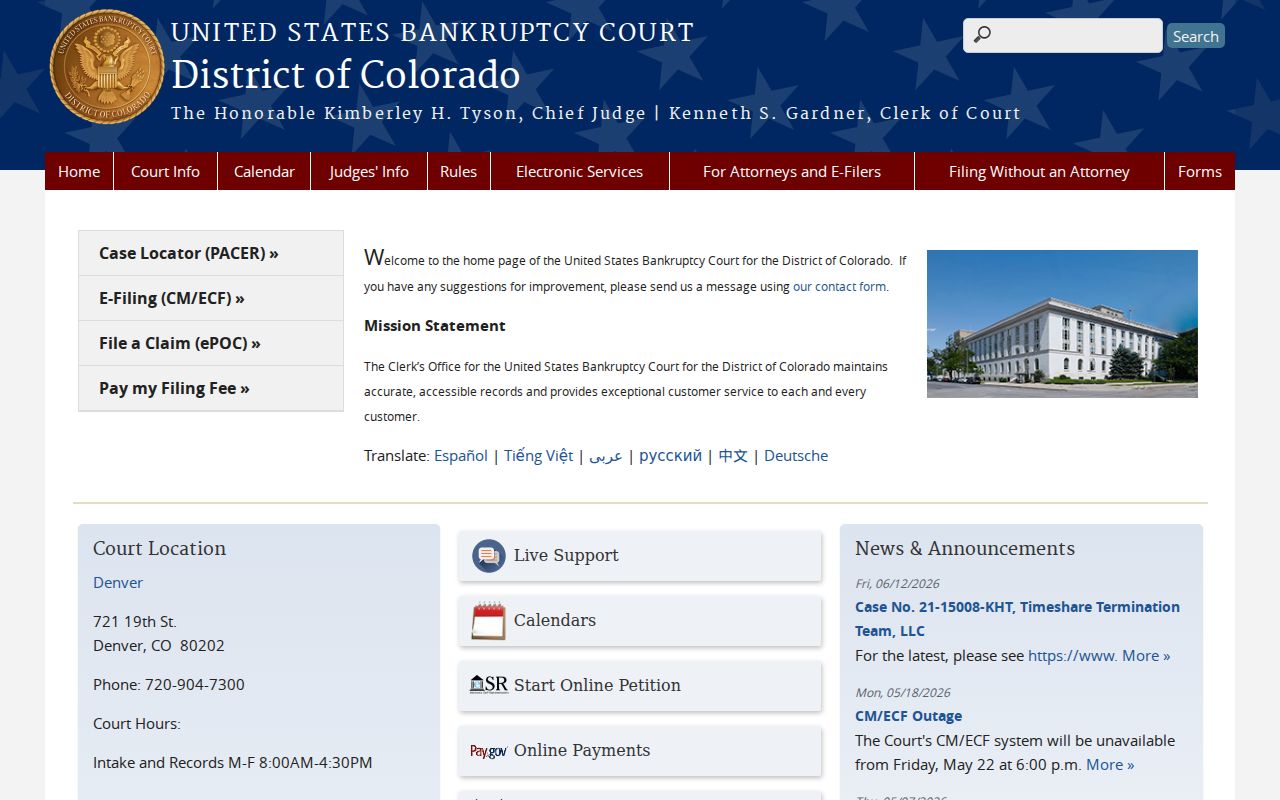
Bankruptcy may affect an estate or debt collection issue, but the federal bankruptcy docket and the Custer County probate file are searched through different court systems.
What Custer County Probate Records Show
A Custer County probate file may include the application or petition that opened the case, a will if one was filed, letters testamentary or letters of administration, trust documents if part of the court file, creditor claims, inventory or accounting papers where filed, closing documents, date-of-death information, and guardianship or conservatorship orders where relevant.
Do not assume that a vendor case summary includes the document needed for legal use. A register of actions may show that letters or an order were filed, but the certified copy must come from Custer Combined Court or the Judicial Branch request process. If the need is a deed, release, survey, or other land record after probate, search the Custer County Clerk & Recorder records separately.
Restricted Custer County Probate Records
Probate files can contain protected personal, financial, medical, and minor information. Guardianship and conservatorship cases may include sensitive details about a living person. Court staff may redact protected data, require government-issued photo ID, limit access to parties or attorneys, or require a court order for restricted materials.
Probate access also differs from county recording access. A recorded deed may be public through the Clerk & Recorder, while a probate medical report or minor-related filing may be restricted in the court file. The safest request is specific: name the exact document needed and ask whether a redacted, certified, or party-only copy is available.
Older probate files may need more detail than a recent case. The research notes that historical probate records should still be requested through the court unless the record sought is a recorded deed. Filing year, date of death, estate name, and party names can reduce search time and avoid a broader name-search fee for Custer County probate files.
Note: Probate letters used for banks, title work, or agencies usually need court certification, not a vendor summary.
Custer County Probate Followup
Probate research often crosses more than one custodian. A will, petition, letters, claim, or closing paper belongs in the District Court probate file. A deed, lien, survey, plat, or recorded transfer belongs with the Custer County Clerk & Recorder. A water right may require Water Division 2 records. A bankruptcy issue belongs in federal bankruptcy court. Keep each record request tied to the office that created or received the document.
For banks, title companies, agencies, and out-of-state courts, ask whether certified letters, certified orders, or exemplified copies are required. A register of actions may show that a document exists, but it is not the same as a certified copy of that document. If the probate file includes medical, financial, protected-person, or minor information, redaction and identity review may affect timing and cost.
Older probate files need precise identifiers. Provide decedent names, estate names, protected-person names, filing year, case number, date of death, and document type when known. Broad requests may trigger search fees or research time. If the goal is only to confirm a hearing or event, start with docket information before requesting copies.
If a probate matter involves real property, compare the court papers with the recorded land documents. The court may appoint a personal representative or issue letters, but the Clerk & Recorder may hold the deed or other instrument that changed title. A complete estate record search may need both the certified probate authority and the recorded document history.
Guardianship and conservatorship files should be requested with care because they can concern a living protected person. State the relationship to the case and the exact document needed. If access is restricted, the court may require party status, attorney status, authorization, or a court order before releasing more than public docket information.
When in doubt, call Custer Combined Court first and ask which probate document name matches the requested proof.